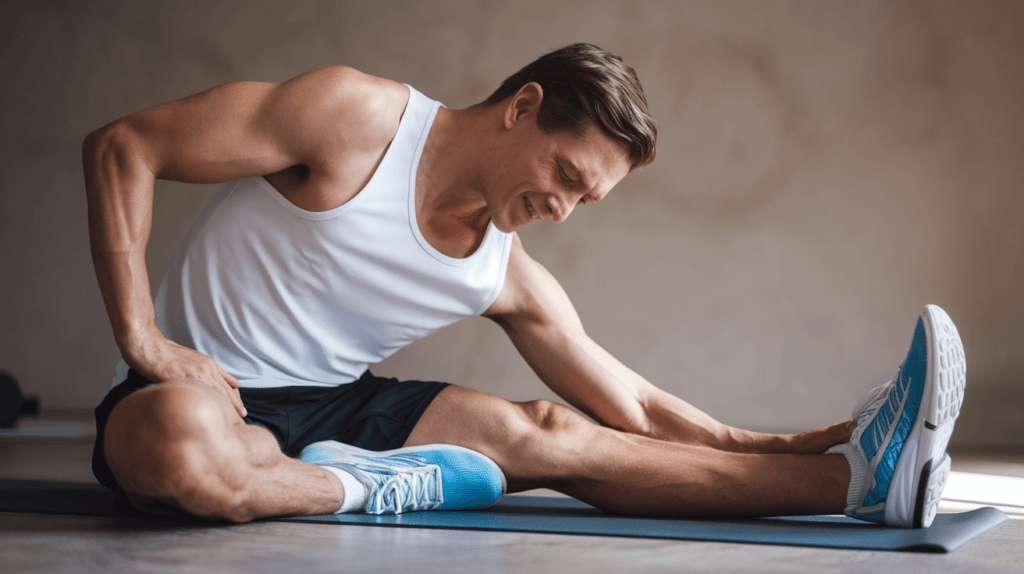

Runner’s knee, officially known as Patellofemoral Pain Syndrome (PFPS), occurs when the kneecap does not move properly along the groove of the thighbone, often resulting in pain in or around the kneecap.
What Is Runner’s Knee?
Runner’s knee is one of the most common injuries among runners, affecting up to 25% of active adults. It typically arises due to a combination of overtraining, biomechanical issues, and muscle imbalances. The pain most commonly appears when performing everyday movements like climbing stairs, squatting, or running.
Common Causes
- Overtraining without giving muscles time to recover
- Poor running form which affects kneecap alignment
- Weakness in hip or quadriceps muscles
- Running on uneven surfaces such as trails or damaged pavement
- Inadequate footwear that fails to provide support
Symptoms
The hallmark symptom of PFPS is a sharp or aching pain in or around the kneecap, most noticeable during:
- Running, especially downhill
- Climbing or descending stairs
- Squatting or sitting for long periods
Treatment Options
Most cases of runner’s knee improve within 4 to 6 weeks with conservative treatment. The RICE method is often recommended:
- Rest the knee and reduce high-impact activities
- Ice the area to reduce inflammation
- Compression using wraps or braces
- Elevation to reduce swelling
Additionally, strengthening exercises targeting the quadriceps and hips can correct muscle imbalances and improve patellar tracking. Supportive and properly fitted footwear also plays a key role in recovery.
Prevention Tips
- Follow the 10% rule: don’t increase your weekly running mileage by more than 10%
- Develop good running form through gait analysis and training
- Incorporate regular strength training focused on hips and legs
- Choose appropriate running shoes based on your foot arch and gait
For additional advice, check out this guide from Runner’s World on treating runner’s knee.
5 Warning Signs You Have Runner’s Knee
Key Pain Indicators
The most telling sign of runner’s knee is a sharp, aching pain that centers around or behind your kneecap. This discomfort can feel particularly intense when running or doing activities that put pressure on your knee joint. I’ve found that many runners first notice this pain during or after their training sessions, and it’s crucial to pay attention to these early warning signals.
A clear red flag appears when climbing stairs or performing squats becomes increasingly painful. These movements put extra stress on the patellofemoral joint – where your kneecap meets your thighbone. If you’re dealing with symptoms of runner’s knee, you might also notice a grinding or clicking sensation when bending and straightening your leg.
Additional Symptoms to Monitor
Beyond the initial pain signals, runner’s knee often presents with several other notable symptoms. Here are the key warning signs to look out for:
- Visible swelling around your knee joint, particularly after physical activity
- Increased pain after sitting with bent knees for extended periods
- Discomfort when pushing off or changing directions while running
- Pain that intensifies during downhill running
- A feeling of knee instability during movement
The prevalence of runner’s knee is significant – it affects up to 25% of active adults, making it one of the most common running injuries. This condition can impact both casual joggers and seasoned marathoners, though the intensity and duration of symptoms may vary.
I’ve noticed that many runners initially try to push through these warning signs, but this approach often leads to more severe symptoms. The key is catching these signals early and taking appropriate action to prevent the condition from worsening.

What’s Actually Happening Inside Your Knee
Understanding the Mechanics
I’ll break down runner’s knee – or as medical professionals call it, Patellofemoral Pain Syndrome (PFPS) – into simple terms. Your kneecap (patella) should glide smoothly in a groove at the end of your thighbone (femur). But sometimes this movement gets disrupted, causing irritation to the soft cartilage underneath your kneecap.
Think of your kneecap like a train on tracks. When everything’s aligned, the journey’s smooth. But if the track (your femoral groove) or the train (your kneecap) isn’t positioned correctly, you’ll feel the friction and discomfort. During running, the pressure between your kneecap and thighbone intensifies significantly, making any existing alignment issues more noticeable.
Who’s Most at Risk?
This condition doesn’t discriminate – it can strike in one or both knees. While anyone can develop runner’s knee symptoms and pain, it’s particularly common in runners between 20 and 35 years old. Here’s what typically increases your risk:
- Running on uneven surfaces that force your knee to work harder
- Wearing shoes that don’t provide proper support
- Having weak hip muscles that affect knee alignment
- Training errors like increasing mileage too quickly
- Poor running form that puts extra stress on your knees
- Having naturally flat feet or high arches
The pain often starts gradually, becoming more noticeable during activities that put pressure on your knee joint. You might feel it most when going up or down stairs, squatting, or after sitting for long periods with bent knees.
Common Causes That Lead to Runner’s Knee
Training and Biomechanical Factors
I’ve found that several key factors can trigger runner’s knee, and understanding these causes is crucial for prevention and treatment. The most common culprit I see is overtraining, especially when runners amp up their mileage too quickly. This sudden increase doesn’t give your body enough time to adapt to the new stress levels.
Muscle weakness plays a significant role too – particularly in the hips and thighs. When these muscles aren’t strong enough, they can’t properly support your knee during running, which can lead to painful runner’s knee symptoms that persist if not addressed.
Frequent Contributing Factors
Here are the main factors that often contribute to runner’s knee:
- Improper running form, which puts extra stress on your knee joints
- Running in shoes that are worn out and no longer provide proper support
- Structural foot issues like flat feet or high arches that affect your gait
- Past knee injuries that might have weakened the joint
- Excess body weight that puts additional stress on your knee joints
Poor running form is a particularly sneaky cause – many runners don’t realize they’re running incorrectly until pain starts. I often notice runners landing too heavily on their heels or letting their knees cave inward while running, both of which can lead to knee issues.
Your running shoes matter more than you might think. I’ve seen countless cases where simply replacing worn-out shoes made a huge difference. The general rule is to replace your running shoes every 400–500 miles, though this varies based on your running style and the surfaces you run on.
Structural issues with your feet can’t always be changed, but they can be managed. Using appropriate footwear and possibly orthotics can help compensate for flat feet or high arches. These modifications help distribute impact forces more evenly throughout your legs while running.
Previous injuries shouldn’t be ignored either. If you’ve had knee problems in the past, you’re more likely to develop runner’s knee. This makes it extra important to build strength in the surrounding muscles and maintain proper form during your runs.
Weight management is another crucial factor. Extra pounds mean extra force on your knees – in fact, each additional pound of body weight adds about four pounds of pressure to your knees when running. Maintaining a healthy weight through balanced nutrition and consistent training can help reduce this stress.

Proven Treatment Methods That Actually Work
Getting rid of runner’s knee requires a strategic mix of rest and targeted exercises. I’ve found the RICE method to be incredibly effective as a first-line treatment – Rest the knee, apply Ice for 15-20 minutes several times daily, use Compression bandages to reduce swelling, and keep the leg Elevated above heart level when possible.
Essential Treatment Steps
Physical therapy plays a crucial role in recovery. Here are the key treatments I recommend based on proven effectiveness:
- Quadriceps strengthening exercises like straight leg raises and wall sits help stabilize the kneecap
- Hip-focused movements including clamshells and side leg raises improve overall leg alignment
- Supportive running shoes with proper cushioning prevent additional stress on the knee
- Reducing weekly running distance by 50% during initial recovery phase
- Over-the-counter anti-inflammatory medications can help manage pain (always consult your doctor first)
While dealing with runner’s knee can be frustrating, most cases improve within 4-6 weeks with proper treatment. I always remind my clients that rushing back too quickly can lead to re-injury – it’s better to take the time to heal properly. If you’re wondering about specific recovery timelines, I’ve put together a detailed guide on how long runner’s knee typically lasts and what factors affect healing.
The key to successful treatment lies in consistency with exercises and having patience during the recovery process. Each person’s healing timeline varies based on factors like injury severity and adherence to treatment protocols. By following these proven methods and giving your body adequate time to recover, you’ll be back to running stronger than before.
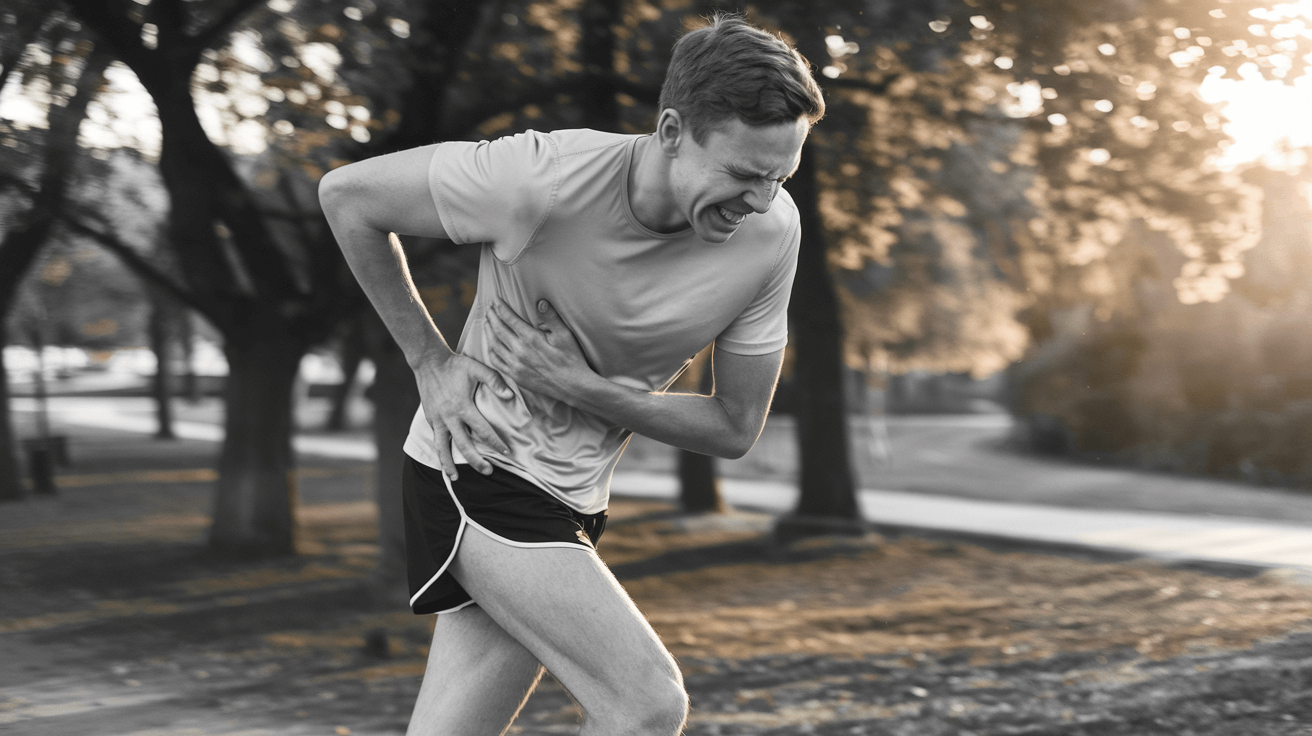
Prevention Strategies Every Runner Should Know
Taking action to prevent runner’s knee saves you from painful setbacks and lengthy recovery periods. I’ve found that implementing these key strategies can make a substantial difference in reducing your risk of developing common knee pain issues while running.
Essential Prevention Tips for Your Running Journey
Let me share some crucial prevention techniques that’ll help protect your knees:
- Follow the 10% rule – Don’t increase your weekly mileage by more than 10%. This gradual progression lets your body adapt without overload.
- Keep your shoes fresh – Switch out running shoes every 400-500 miles. Worn-out shoes lose their cushioning and support, putting extra stress on your knees.
- Focus on form – Take shorter strides and land with your feet under your body rather than ahead. This reduces the impact forces traveling up through your knees.
- Mix up your training – Add cross-training activities like swimming or cycling into your routine. This builds fitness while giving your knees a break from running impact.
- Build strength strategically – Include regular leg and core exercises in your training plan. Strong quads, hamstrings, and glutes help stabilize your knees during runs.
- Don’t skip stretching – Pay special attention to your hip flexors and IT band. Tight muscles can pull your knees out of proper alignment during runs.
- Choose your running surface – Opt for dirt trails, grass, or synthetic tracks when possible. These surfaces absorb more impact than concrete or asphalt.
I recommend integrating these prevention strategies gradually into your running routine. Start with the basics like proper shoes and form, then build up to a complete prevention plan. Remember that consistency with these practices matters more than perfection — small steps add up to significant protection for your knees over time.



Pingback: Can Runners Knee Be Cured